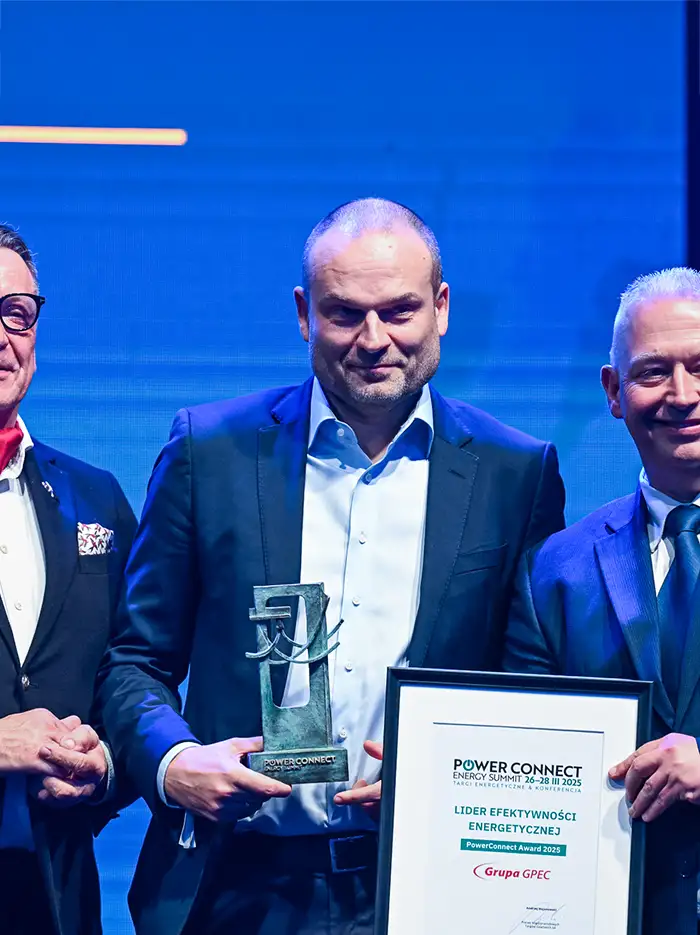
The Polish energy sector is on the verge of revolutionary change. The burden of energy production, previously concentrated in the south of the country, is beginning to shift northward. This isn't just a matter of building offshore wind farms or a nuclear power plant—it's a comprehensive transformation that brings with it a number of infrastructural and organizational challenges.
The Polish energy sector is on the verge of revolutionary change. The burden of energy production, previously concentrated in the south of the country, is beginning to shift northward. This isn't just a matter of building offshore wind farms or a nuclear power plant—it's a comprehensive transformation that brings with it a number of infrastructural and organizational challenges.
In the face of global climate change and the growing demand for clean energy, the Polish energy sector faces an unprecedented challenge. The traditional model, based primarily on coal-fired power plants located in the south of the country, is giving way to a new paradigm. The center of gravity of the Polish energy sector is shifting north, driven by ambitious offshore wind farm projects and Poland's first nuclear power plant.
For decades, the Polish energy sector relied on coal, with its heart beating in the south of the country. The largest power plants, such as Bełchatów, Kozienice, Opole, Jaworzno, Połaniec, Rybnik, and Turów, formed the foundation of the Polish energy system. However, the changing energy mix and new investments in renewable energy sources are slowly but surely changing this reality.
A key element of this transformation is the construction of Poland's first nuclear power plant at the Lubiatowo-Kopalino site. Located just one kilometer from the Baltic Sea, the plant will use seawater to cool its reactors. This project is not only a symbol of technological progress but also a logistical challenge – a significant portion of the components required for construction will be delivered by sea and unloaded at a specially designed pier, the Marine Off-Loading Facility (MOLF).
The project schedule assumes the commissioning of the first unit with a capacity of 1-1.6 GW in 2033, with the next two units to be implemented at intervals of 2-3 years. Ultimately, the plant is expected to reach a capacity of approximately 4 GW, which will meet the energy needs of approximately 12 million households.
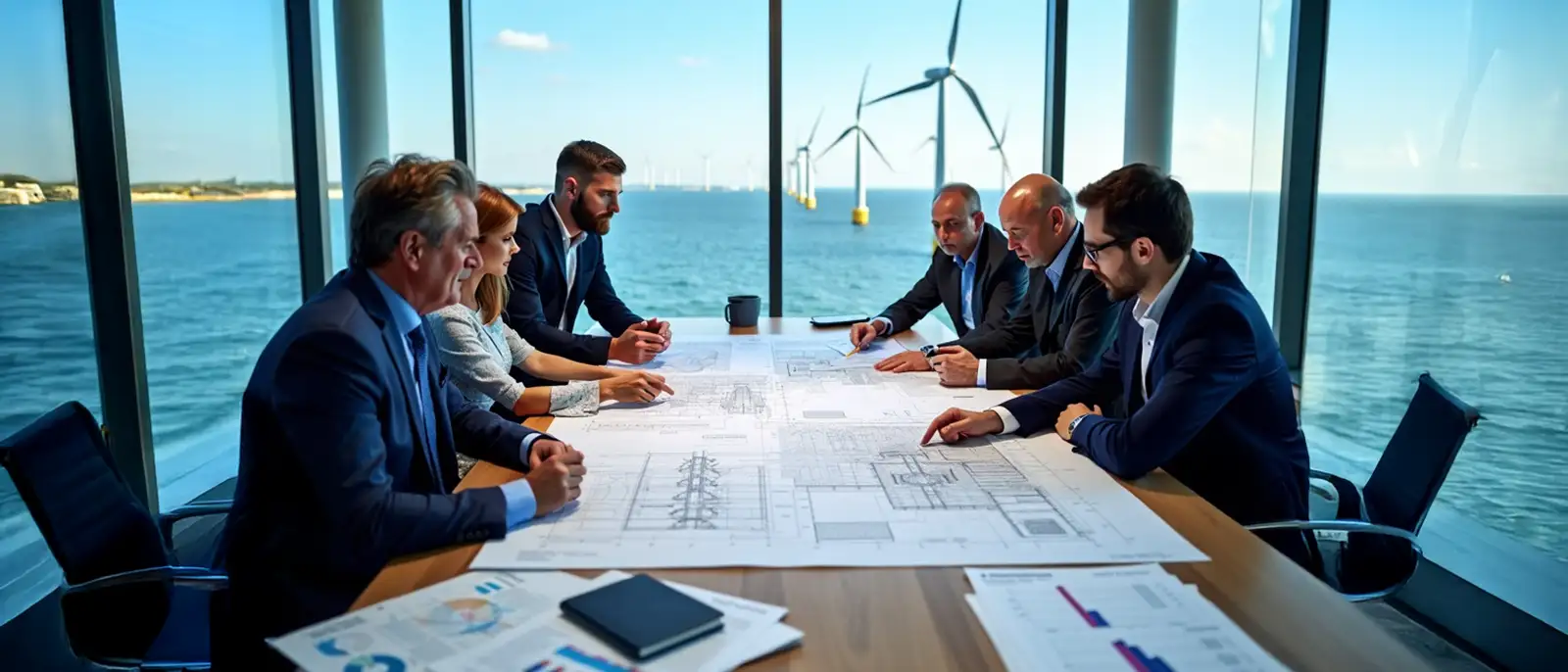
In parallel with the nuclear project, the construction of offshore wind farms is planned in the Baltic Sea. This is a massive undertaking – by 2040, offshore wind farms are expected to be capable of producing approximately 10 GW of energy. For comparison, in May 2023, the total installed capacity in the Polish energy system exceeded 67.7 GW.
However, the ambitions go much further. If all planned locations are utilized within the three development phases, offshore wind farms could reach a production capacity of 33 GW, which translates to 130 TWh per year. This is an impressive figure considering the country's estimated energy demand in 2030 is 190 TWh and in 2040 – 210 TWh.
Energy transformation is not just about building new energy sources. It also poses a huge challenge for the Polish economy and industry. It requires the creation of appropriate supply chains, the development of port and land infrastructure, and the training of qualified personnel.
An installation terminal for wind farms is already under construction in Świnoujście, and another is planned for Gdańsk. Service bases are being established in smaller ports. The Ministry of Infrastructure is working on expanding roads and railways leading to the planned nuclear power plant.
The energy transition also brings social and economic challenges. Thousands of new workers will emerge at the coast – from construction crews and engineers to maintenance staff for new facilities. This, in turn, generates housing and social needs, and also poses new challenges for the education system, which must train personnel for the needs of the new energy sectors.
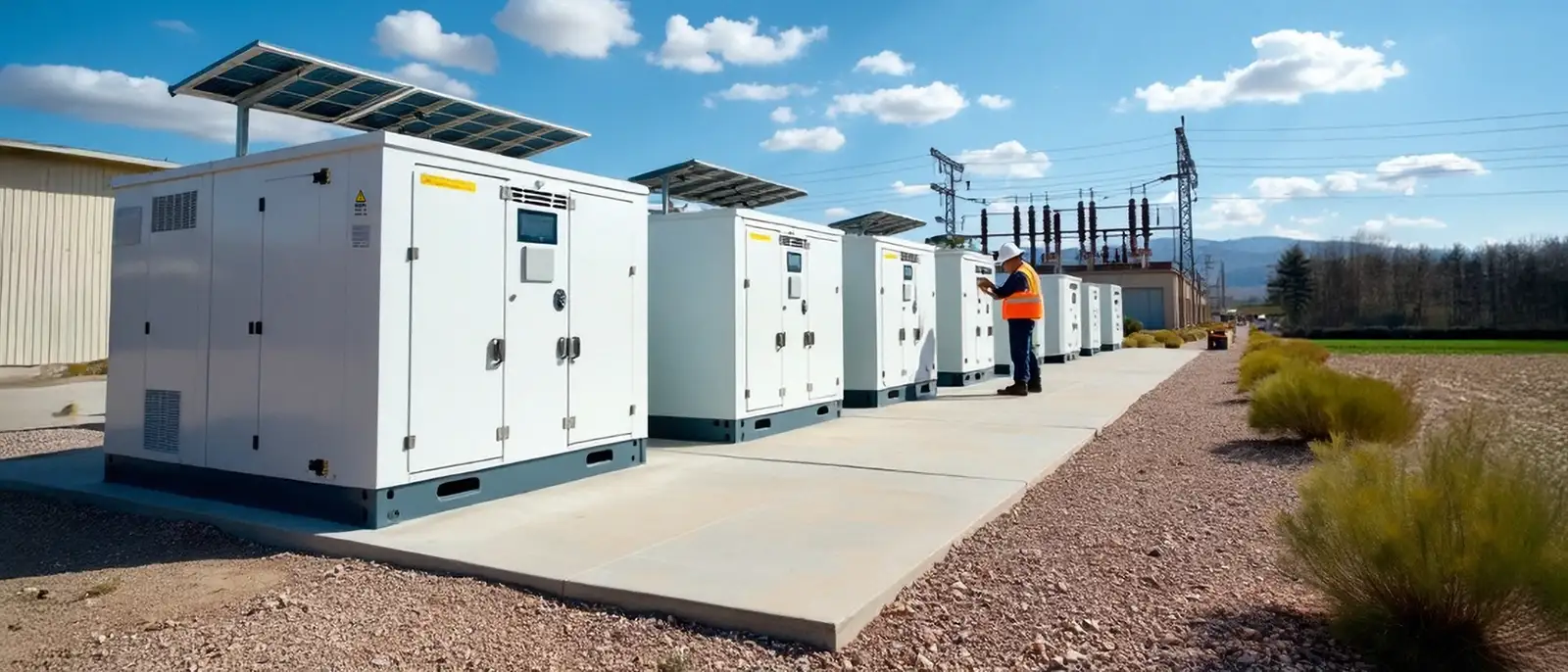
With the growing share of renewable energy sources in the energy mix, energy storage is becoming increasingly important. Currently, when electricity production exceeds the system's capacity, renewable sources are shut down, leading to the loss of potentially useful energy.
Over the next three years, Poland plans to increase its energy storage capacity to approximately 3 GW. According to the Energy Regulatory Office, there are currently 12 energy storage facilities in the country with a capacity of at least 50 kW, the largest of which are pumped-storage power plants, accounting for 85% of the total capacity of registered storage facilities.
Energy storage technologies are diverse – from pumped-storage power plants and compressed air systems to traditional batteries and home storage systems, such as those using soil heating. The National Fund for Environmental Protection and Water Management is preparing a program to subsidize investments in energy storage, which could significantly accelerate the development of this sector.
The transformation of the Polish energy sector is opening up new opportunities for businesses and professionals across various industries. Demand will include both specialized energy and engineering services, as well as the day-to-day operations of the new infrastructure and its personnel.
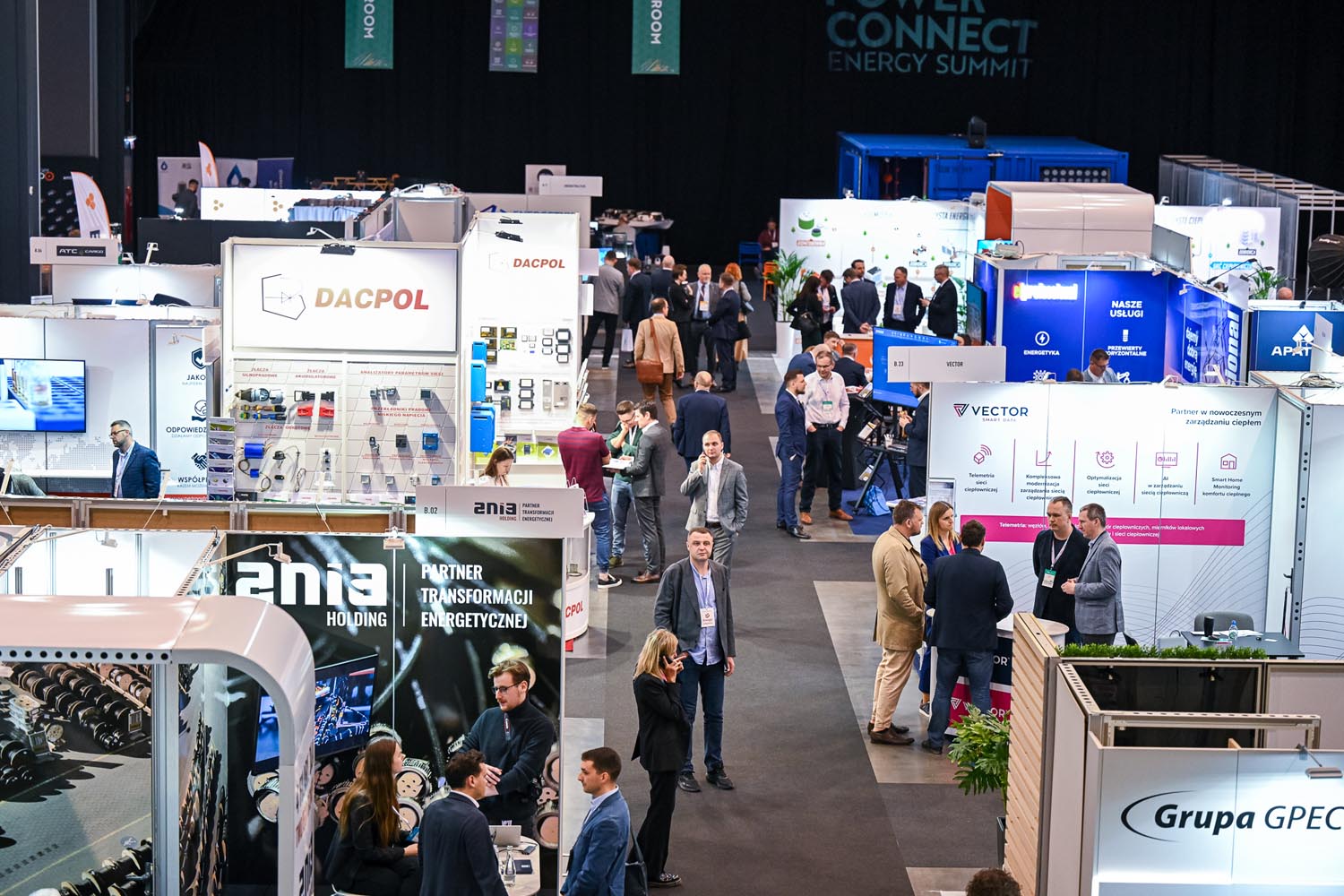
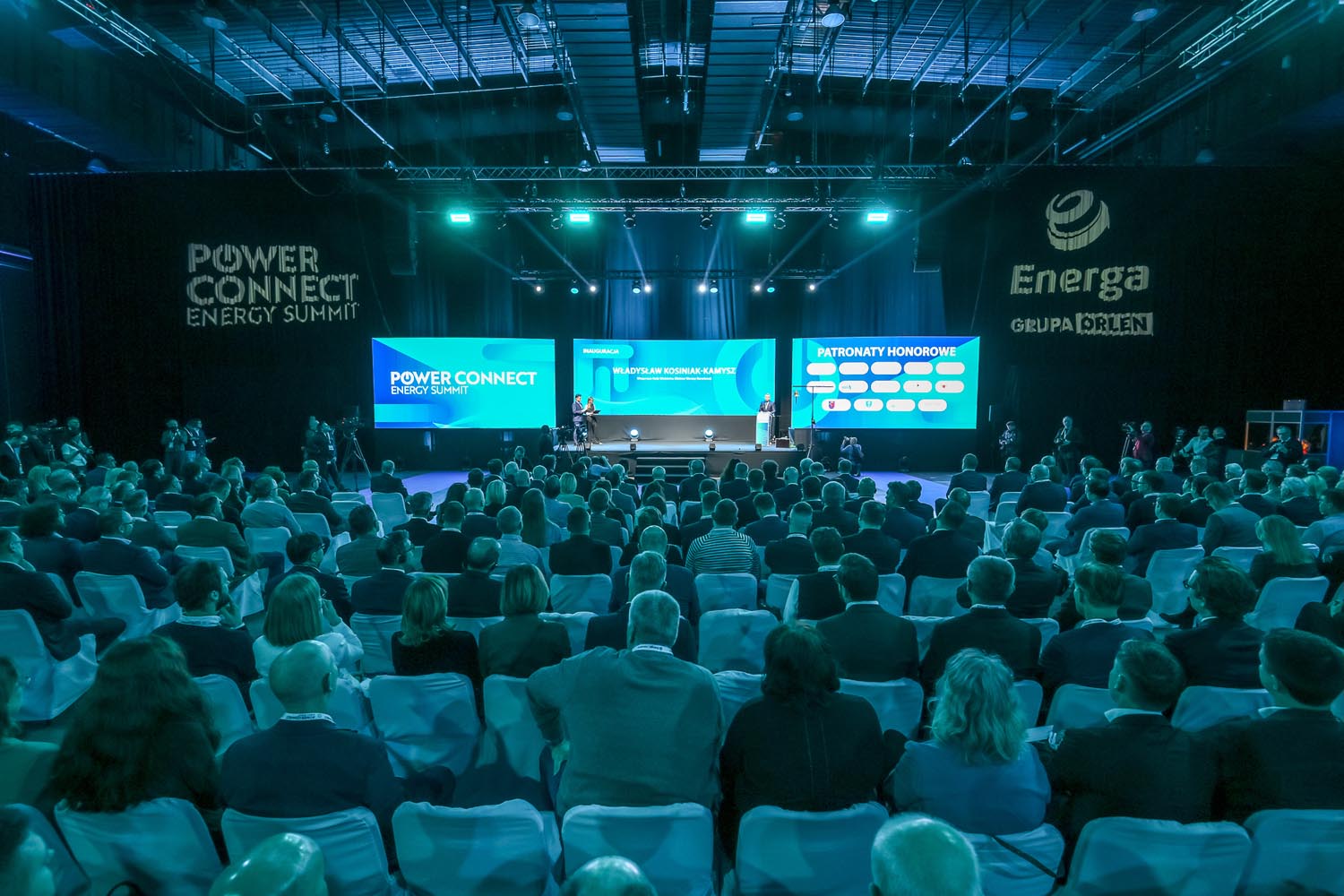
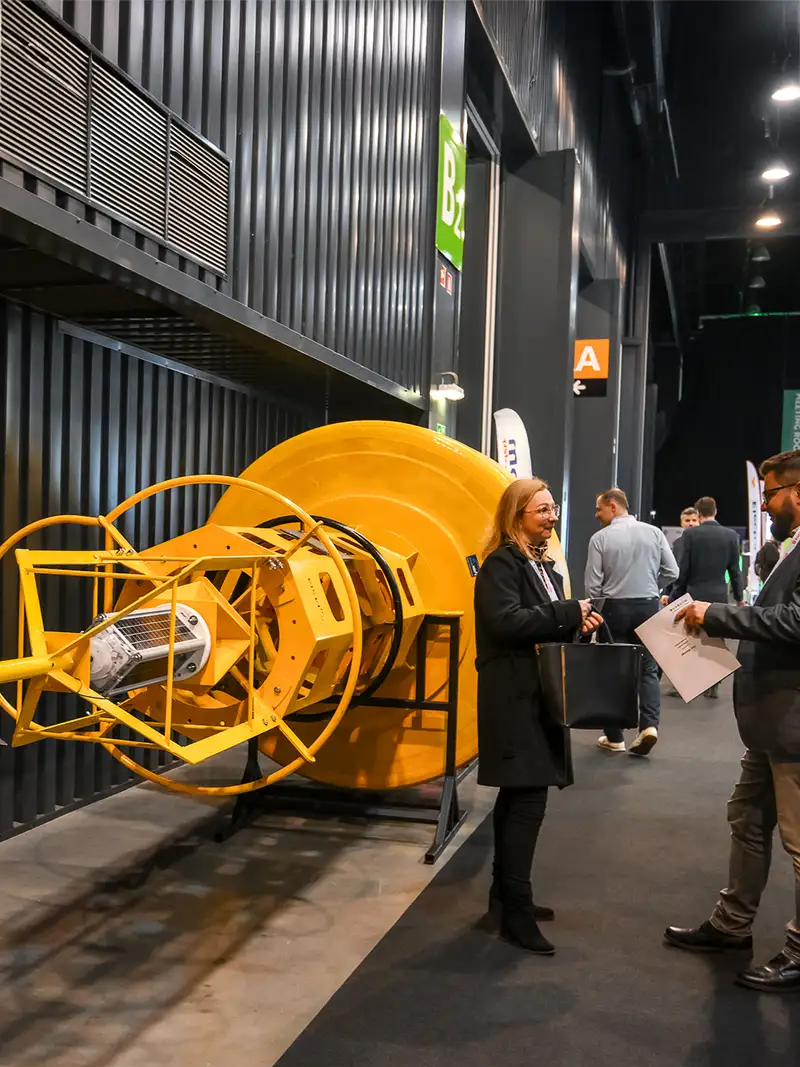
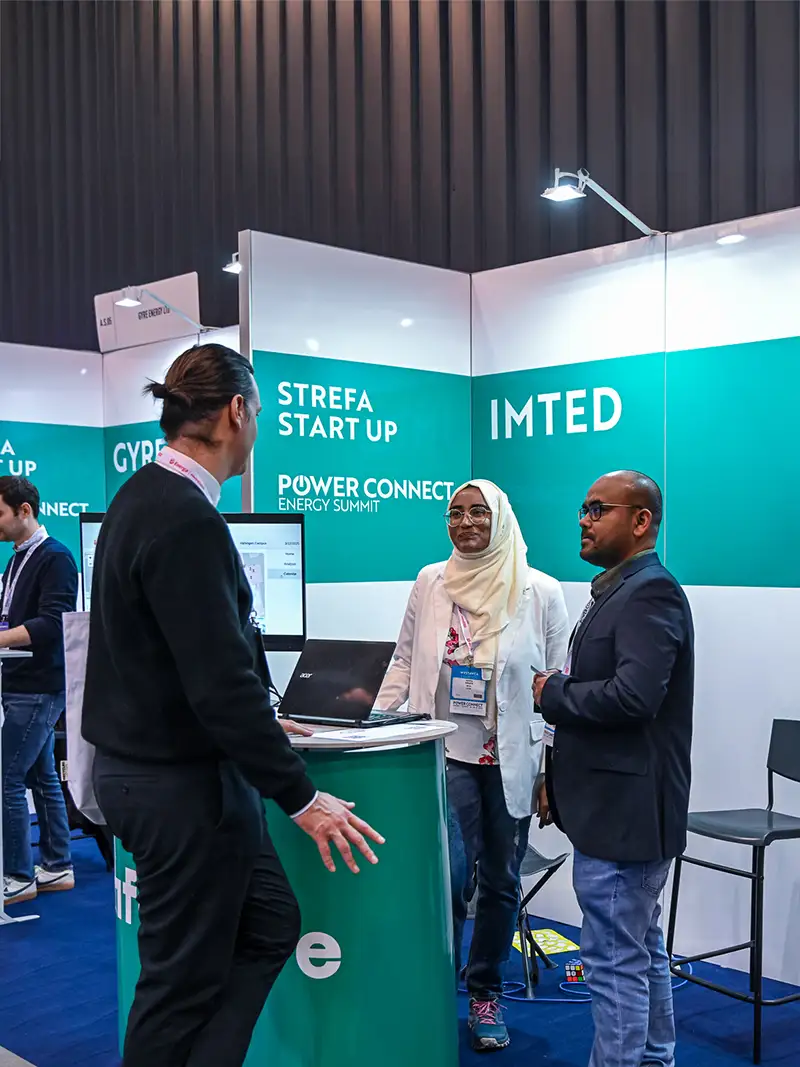
To better understand the scale and scope of the upcoming changes and find your place in the new business reality, it's worth following industry events. One of them is the PowerConnect Energy Summit, which will take place at the AMBEREXPO Exhibition and Convention Center in Gdańsk on March 26-27, 2025. This event will bring together key players in the energy industry and related sectors, offering a platform for knowledge exchange and business networking.
Poland's energy transformation is a process that will transform not only the energy landscape but also the country's economic and social landscape. The shift of the energy center northward creates new challenges, but also opens up enormous opportunities for innovation, economic development, and job creation. Whether Poland will become a clean energy leader in the region depends on our ability to adapt and capitalize on these opportunities.