

Pomorze, znane dotychczas głównie z turystyki i portów, staje się nowym centrum energetycznym Polski. Intensywne inwestycje w infrastrukturę, morską energetykę wiatrową i odnawialne źródła energii (OZE) mogą doprowadzić do sytuacji, w której region będzie produkował więcej energii, niż jest w stanie zużyć. Ta nadprodukcja energii stanowi zarówno szansę, jak i wyzwanie dla Bałtyckiego Hubu Energetycznego.
Morska energetyka wiatrowa na Bałtyku jest kluczowym elementem polskiej strategii transformacji energetycznej. Do 2040 roku planuje się, że wiatraki morskie wyprodukują około 10 GW energii, co stanowi około 1/7 obecnej mocy zainstalowanej w kraju. Docelowo, morskie farmy wiatrowe mają generować aż 33 GW mocy.
Dodatkowo, pierwsza w Polsce elektrownia jądrowa w Lubiatowie-Kopalinie ma w 2033 roku produkować do 1,6 GW mocy, a po uruchomieniu wszystkich trzech planowanych bloków – około 4 GW.
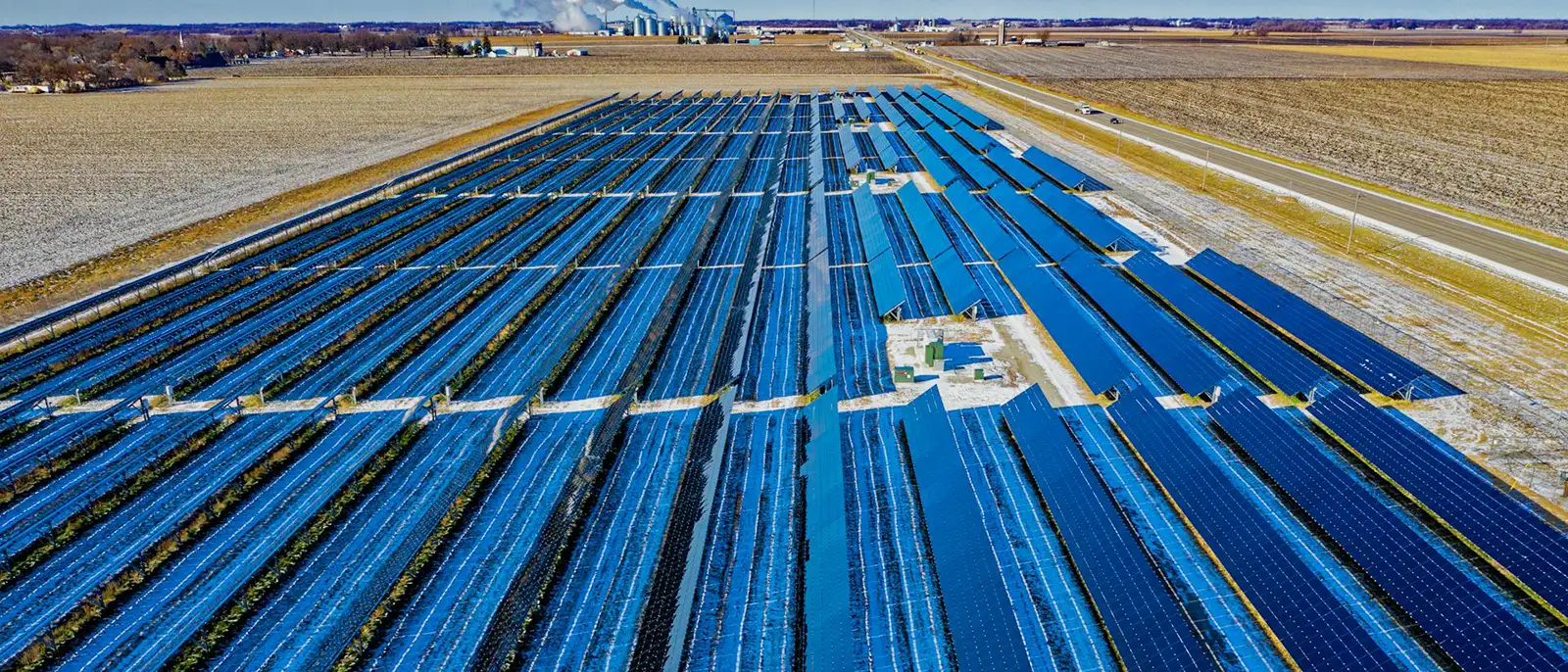
Obecne sieci przesyłowe nie są przystosowane do przyjęcia tak dużych ilości energii z nowych źródeł OZE. Według Najwyższej Izby Kontroli, większość linii energetycznych w Polsce ma ponad 30 lat.
Region Pomorza nie posiada wystarczającej liczby energochłonnych biznesów, które mogłyby wykorzystać nadmiar produkowanej energii. Struktura gospodarcza regionu, oparta głównie na małych i średnich firmach, usługach oraz przemyśle morskim, nie generuje wystarczającego popytu na energię.
W Polsce brakuje odpowiedniej infrastruktury do magazynowania nadwyżek energii, co uniemożliwia efektywne zarządzanie produkcją i dystrybucją.
Wiosną 2024 roku resort klimatu i środowiska ogłosił podpisanie pierwszych umów na modernizację polskich sieci elektroenergetycznych, wartych 220 mln zł. W najbliższych latach Polska będzie mogła wykorzystać około 85 mld zł na modernizację sieci, z czego 15 mld pochodzić będzie z dotacji europejskich, a pozostałe środki z Krajowego Planu Odbudowy.
Nadprodukcja energii może stać się atutem w przyciąganiu do regionu energochłonnych gałęzi przemysłu, takich jak produkcja zaawansowanych technologii, fabryk baterii czy przetwórstwo surowców.
Bałtycki Hub Energetyczny ma potencjał, by stać się platformą współpracy i innowacji w sektorze energetycznym, skupiającą kluczowe organizacje branżowe i wspierającą rozwój energetyki w regionie.
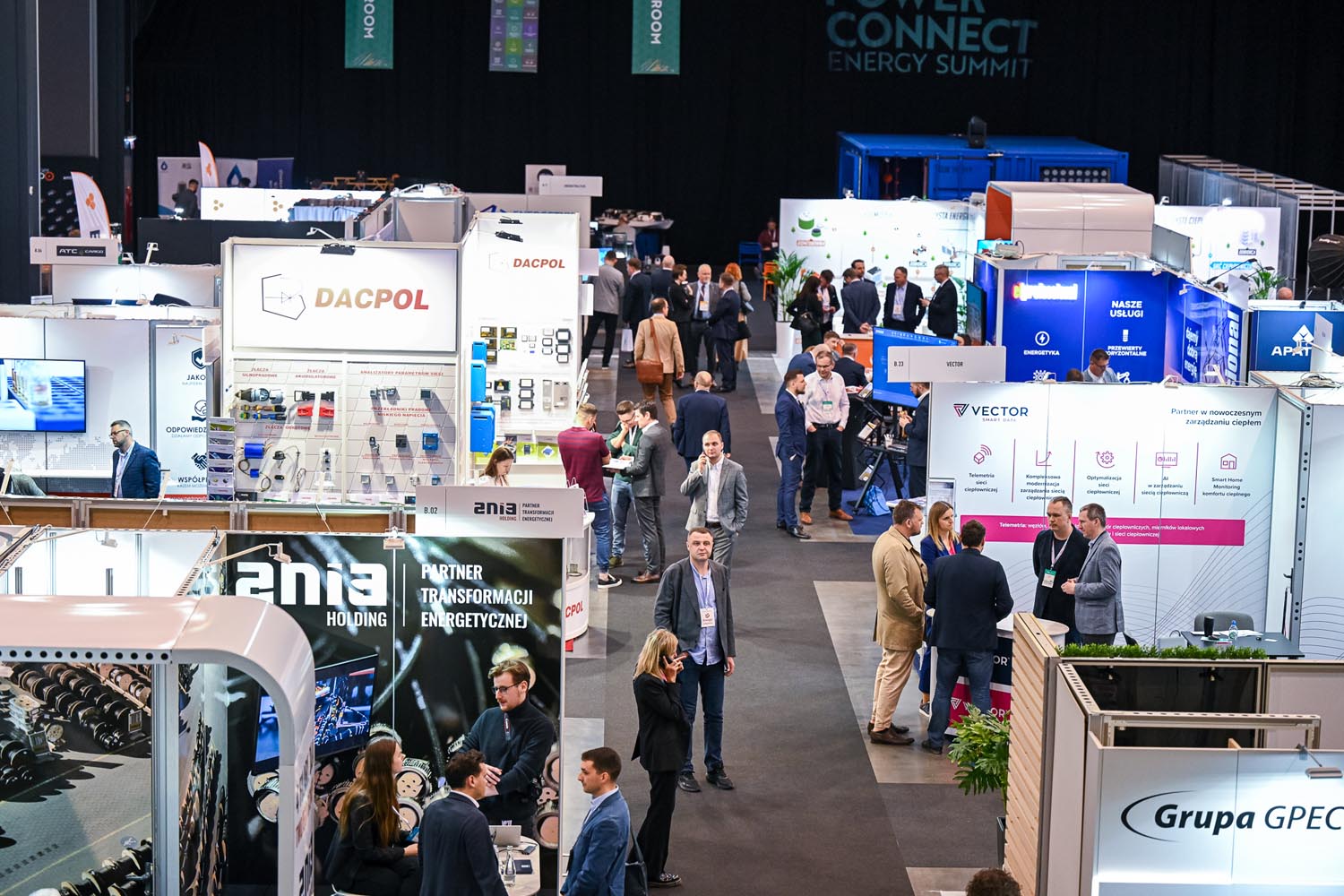
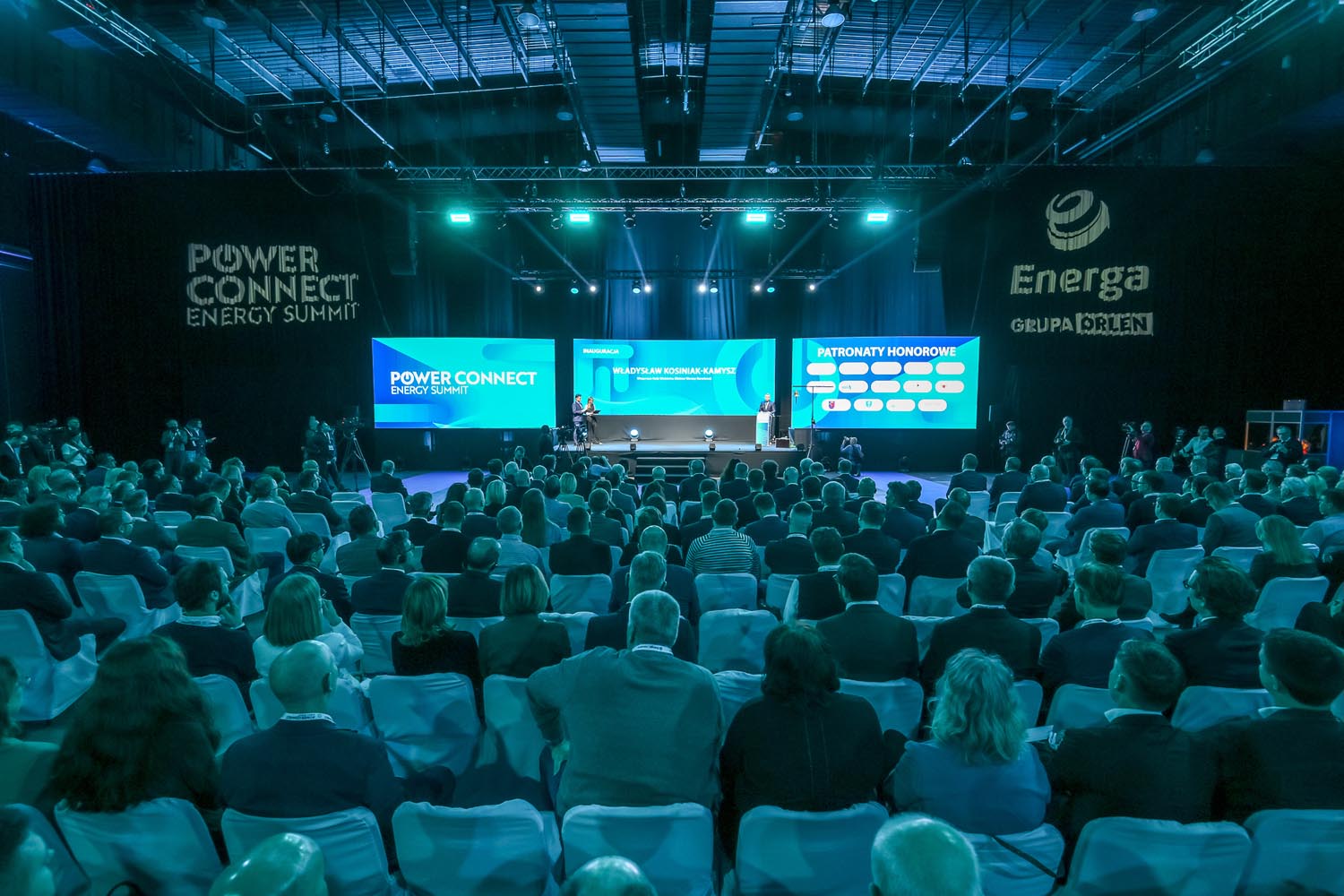
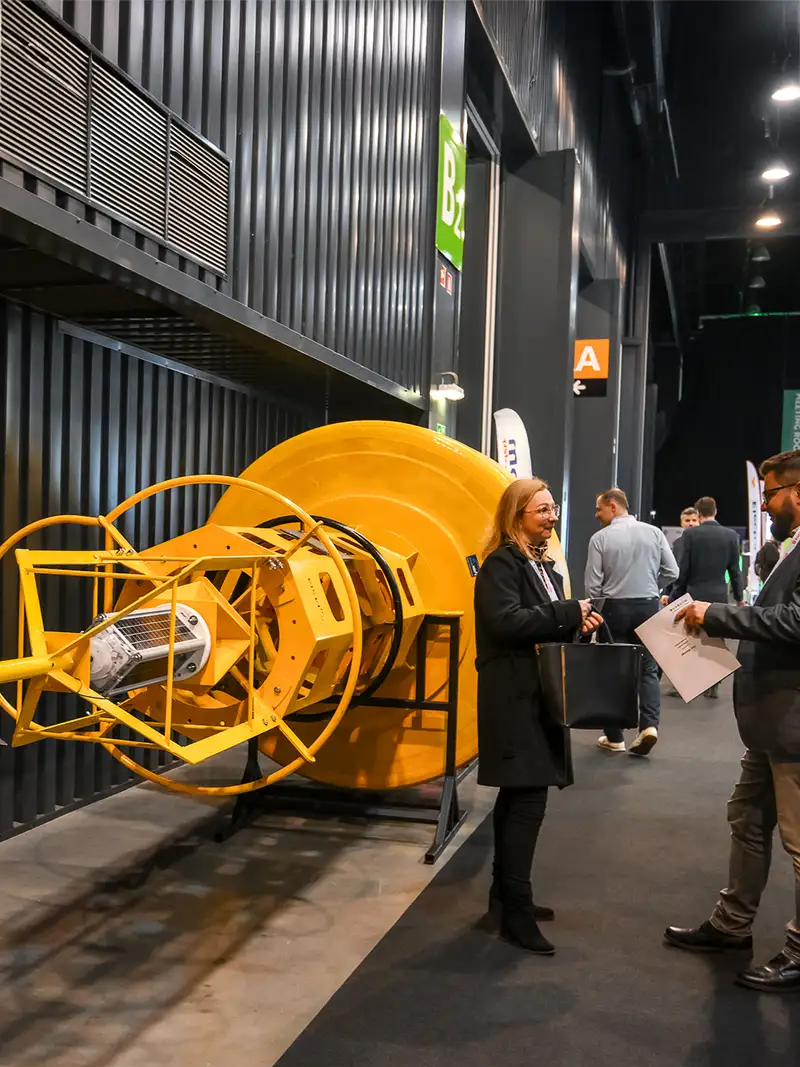
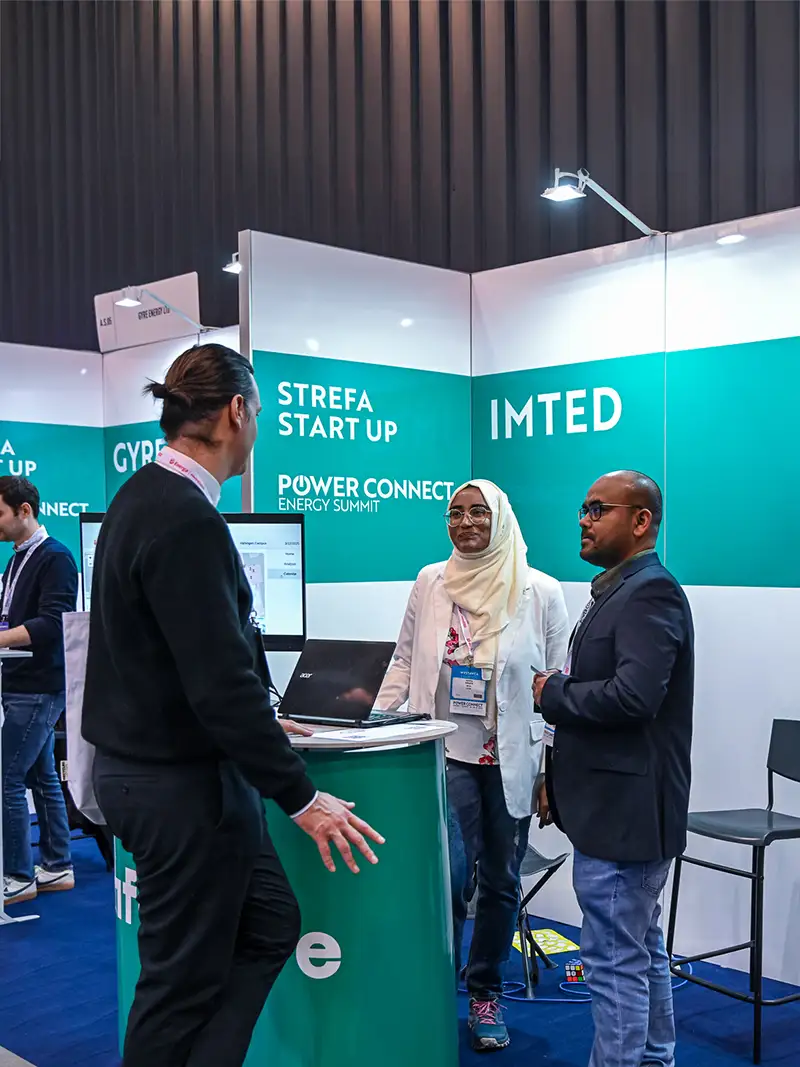
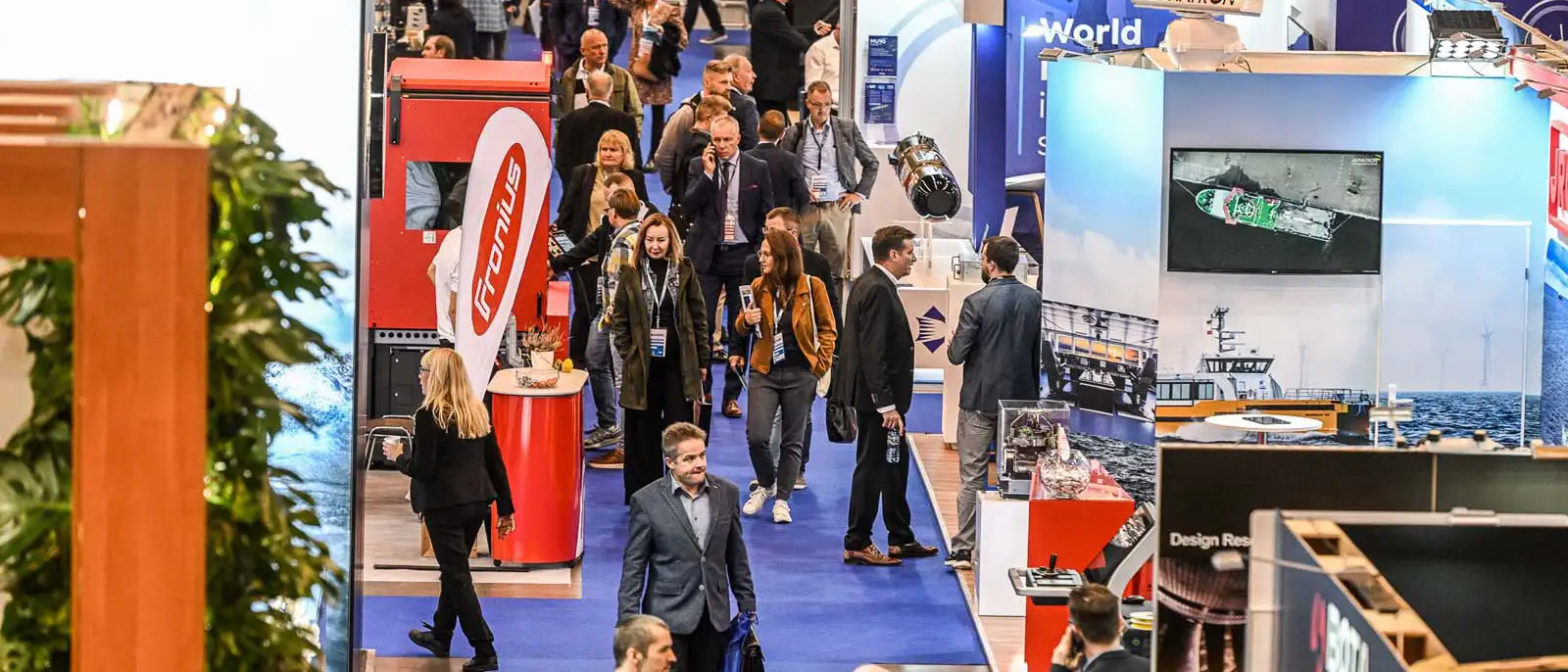
W dniach 26-27 marca 2025 roku w Gdańsku odbędzie się PowerConnect Energy Summit, pierwsze wiodące spotkanie branży energetycznej na północy Polski. W ramach targów i konferencji eksperci, decydenci i przedstawiciele biznesu będą dyskutować o przyszłości energetyki na Pomorzu i w całym kraju.
Wydarzenie to stworzy unikalną okazję do:
Nadprodukcja energii na Pomorzu stanowi zarówno wyzwanie, jak i szansę dla regionu. Kluczowe działania, takie jak modernizacja sieci przesyłowych, przyciąganie energochłonnych inwestycji oraz rozwój Bałtyckiego Hubu Energetycznego, mogą przekształcić tę potencjalną przeszkodę w motor napędowy rozwoju gospodarczego.
Targi PowerConnect Energy Summit będą istotnym momentem dla dyskusji i planowania przyszłości energetyki w regionie. To właśnie tam będą podejmowane decyzje, które mogą zadecydować o tym, czy nadprodukcja energii stanie się szansą na rozwój, czy zmarnowaną możliwością dla Pomorza i całej Polski.